
Search for victims of the August 15 earthquake in East Nusa Tenggara continues as Indonesia marks its Independence Day, with rescuers combing through collapsed structures and landslide‑strewn roads.
Aftershocks and Ongoing Rescue Operations
At least 53 people were confirmed dead by Sunday night, making the quake the deadliest in the region since a 2022 disaster in West Java. The tremor triggered nearly 1,600 aftershocks across the province, according to the local geophysics agency. A 5.6‑magnitude aftershock struck the Nagekeo area on Monday morning, further destabilizing debris.
Rescue teams in Maumere, the capital of Sikka district, are employing aerial monitoring, a helicopter, and an extrication device to locate any missing persons. Fathur Rahman, chief of the local rescue office, told officials that there were no new reports of people unaccounted for, and that the search would proceed without major obstacles.
In the village near Ende, a damaged health centre’s parking lot turned into a makeshift shelter. There, 64‑year‑old farmer Firmus Woge was treated for asthma aggravated by the ongoing shaking. “I felt better last night and this morning but it’s getting worse again after this morning’s quake,” he said, gasping for breath.
Related: Twelve killed ten injured in Hungary bus crash
Humanitarian Aid and Medical Response
Authorities have mobilized planes to deliver food, tents, and other essentials to the affected areas. The chief of the national disaster mitigation agency, Suharyanto, reported that roughly 500 homes were damaged. The government plans to set up emergency field hospitals in several locations, a move announced by deputy health minister Benjamin Paulus Octavianus. He emphasized the need for neurosurgeons and orthopaedic specialists to treat head injuries and broken bones.
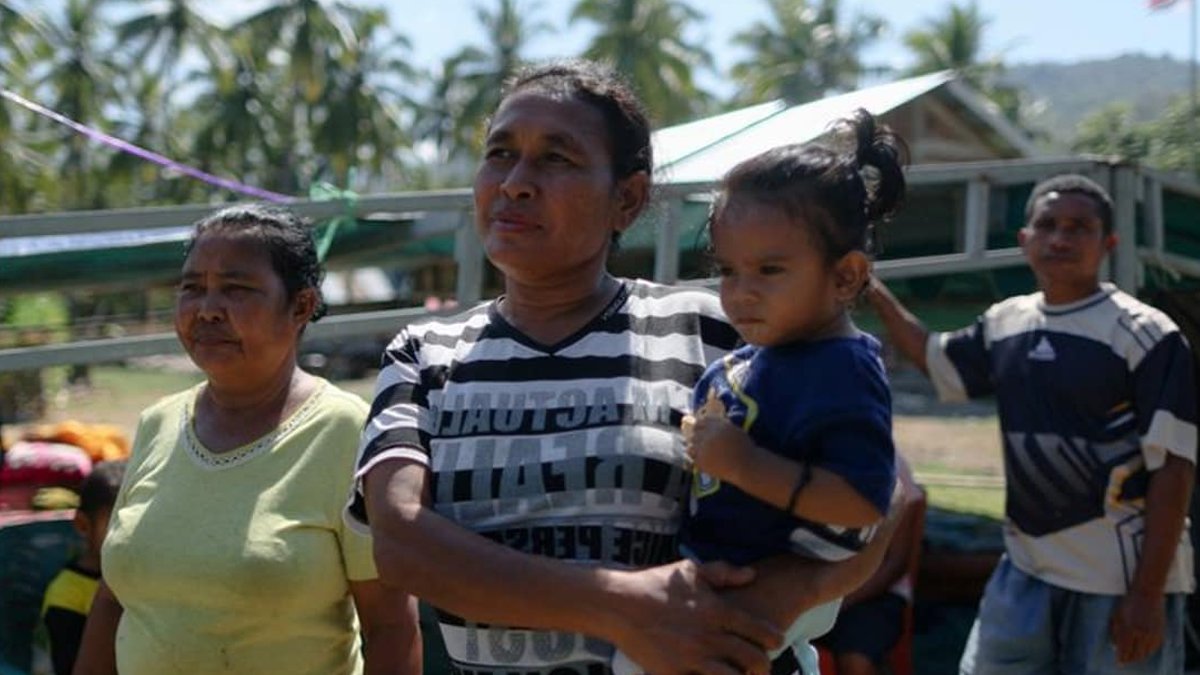
Thousands of residents have been evacuated and are now living in outdoor tents, hesitant to return home because of lingering aftershocks and the threat of additional landslides. In one village, people fled with their belongings, including mattresses, to higher ground out of fear of possible tsunamis.
Rescue work continues.
While the nation celebrates its independence from Japanese occupation in 1945, the disaster has cast a somber tone over the festivities. President Prabowo Subianto is expected to preside over the ceremony in Jakarta, about 1,500 km from the quake zone.
Related: Ukraine steel sector struggles with EU regulations
For those unfamiliar with Indonesia’s geography, the islands of Flores and Timor lie at the southern edge of the archipelago, an area prone to tectonic activity due to the convergence of several plates. This geological setting explains why earthquakes, often accompanied by landslides, are a recurring hazard for communities there. Understanding the underlying fault lines helps clarify why relief efforts must also consider long‑term reconstruction and disaster‑risk reduction.
Personal Accounts Highlight Ongoing Fear
Local resident Gervas, 42, expressed his focus on family safety over national celebrations. “I don’t think about that anymore … I just think about the safety of my wife and 4‑year‑old twins,” he said, reflecting the prevailing mood among many displaced families.
Authorities have not announced any new missing‑person reports, but the search will continue throughout the week. The combination of collapsed buildings, blocked roads, and frequent aftershocks complicates the effort, demanding both ground crews and aerial support.
In the days ahead, the emergency field hospitals are expected to become operational, providing critical care for those with severe injuries. Meanwhile, aid flights will keep delivering supplies to remote villages still cut off by landslides.


