


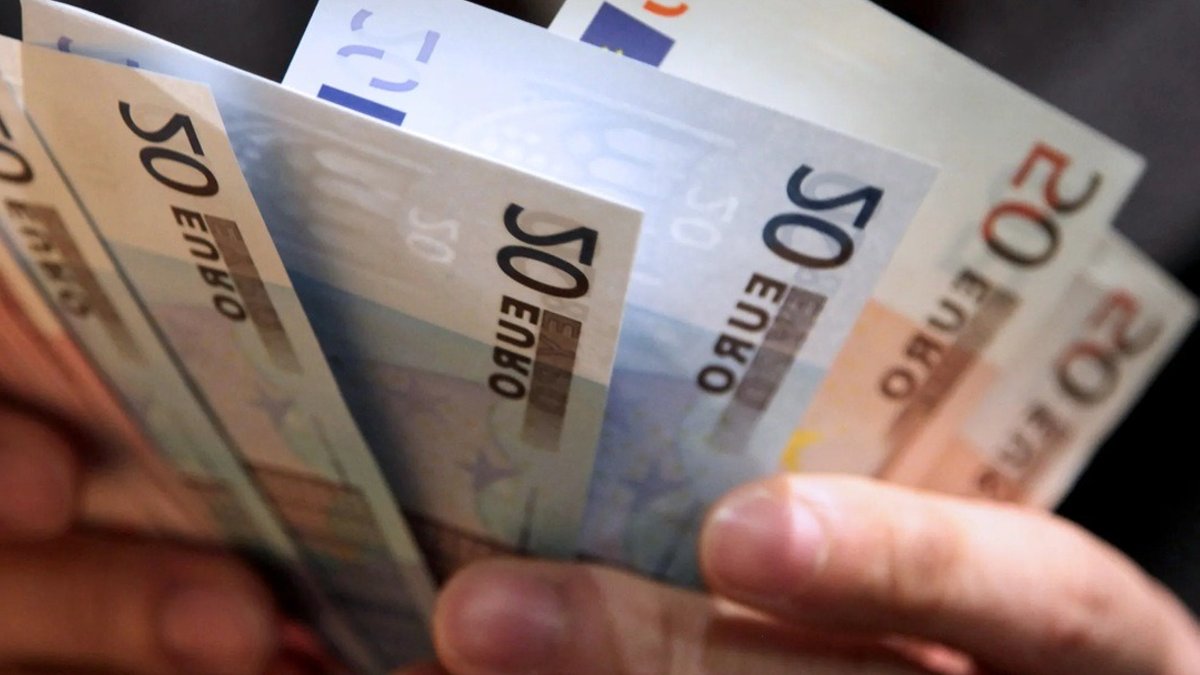
A weaker euro is now supporting European exporters as companies disclose third-quarter earnings, providing an unusual advantage for an index where half of its revenue originates outside the region. The currency has declined more than 5% against the dollar over the past 12 months and roughly 2% in the last four weeks, reversing a headwind that had previously weighed on these stocks in early 2026.
A UBS group of European stocks with substantial U.S. exposure—including Novo Nordisk, Diageo, GSK, and Rentokil Initial—has risen nearly 8% this month, marking its strongest performance since July 2022. Nearly 40% of the Stoxx 600’s market capitalization will report earnings over the coming week and next, and the weaker euro could provide meaningful support for an index where foreign sales make up about half of total revenue. HSBC has calculated that a 5% depreciation in European currencies against the dollar can enhance regional earnings growth by approximately 3.1 percentage points. Even modest currency fluctuations can carry significant weight in a market still grappling with negative sentiment, according to Michael Field, Morningstar’s head of European equity strategy.
The currency shift may help some companies exceed analyst forecasts, particularly those dealing with sluggish demand or raised costs. Field noted that consumer goods firms like Unilever and Nestlé, where weaker demand has strained outlooks, could benefit disproportionately from the exchange-rate movement. “That extra bump from FX could actually make a huge difference,” he said.
The healthcare sector stands to gain the most, with nearly 40% of its revenue generated in the U.S., the highest exposure among Stoxx 600 industries. Oddo BHF projects that the recent dollar appreciation could lift Novo Nordisk’s earnings per share by 2.5% to 3.5% and Sanofi’s by 2% to 3%. Both companies will report results within the next two weeks.
Currency winds shift investment bets
For fund managers, the currency effect creates investment opportunities in countries where economic conditions appear weaker. Dan Hanbury, a portfolio manager at Ninety One, remains cautious about the UK and European economies but views stock markets differently, given their dependence on overseas sales.
However, the benefits of a weaker euro are not evenly spread. While exporters stand to gain, the broader European market has historically performed best when the euro strengthens, partly because domestic financials benefit from stronger purchasing power and economic activity. Jitania Kandhari, deputy chief investment officer at Morgan Stanley Investment Management, warned that a prolonged euro decline could make her more cautious about southern Europe, where financials hold significant weight in the market.
At the individual-stock level, currency effects can produce both positive and negative outcomes. Adidas and Puma, for example, source much of their production in Asia through dollar-denominated contracts, meaning a stronger dollar could eventually pressure their profit margins. While sophisticated hedging can delay or soften these impacts, timing remains a challenge. Hanbury cited Rolls-Royce, where a large hedge book covers multi-year airline contracts. “Hedging creates a lag in the numbers coming through.” For longer-term investors, that complexity makes currency another risk to manage rather than the basis for an investment thesis.
Volatility adds risk to long-term strategies
For long-term investors, currency volatility introduces additional risk rather than a clear investment strategy. David Coombs, a fund manager at Rathbones, accepts short-term exchange-rate fluctuations in globally diversified businesses such as L’Oréal but grows more cautious when multiple holdings face the same currency exposure. “The currency is the last decision in the chain,” he said, adding that it’s difficult to forecast its impact on overall profits and returns.
Further euro weakness could develop, with some strategists predicting a decline toward $1.10 by the end of the year if U.S. economic strength and interest-rate differences persist. However, the reasons behind any additional decline matter. A euro falling due to strong U.S. growth has different implications than a decline driven by higher risk premiums in Europe.
The overall setup could leave European equities in something of a sweet spot: enough currency weakness to create upside earnings surprises, without overwhelming the domestic forces supporting the broader market. The result could be a foreign exchange boost that reaches well beyond the exporters benefiting from it directly.


