
Ukraine’s steel industry, already weakened by years of Russian airstrikes, now faces new European Union trade rules that could block its largest export market.
Quotas cut, tariffs rise
The EU’s latest safeguard measures, effective July 1, reduced Ukraine’s annual tariff-free steel import quota by nearly half. The new limit of around 1 million metric tons falls about 60% below expected 2025 trade volumes, as noted by Kyiv-based consultancy GMK Center. Steel shipped beyond that amount will incur a 50% duty.
Metinvest Group’s chief operating officer, Oleksandr Myronenko, described the change as a major setback. The company owns Zaporizhstal, a large complex in southeastern Ukraine. “Instead of support from the European Union, we face restrictions,” he stated. The EU had suspended import duties after Russia’s 2022 invasion, which helped maintain production at plants like Zaporizhstal.
Related: Ice cream makers bet on healthier treats
The bloc argues the quotas protect its own producers, while carbon tariffs introduced in January aim to reduce emissions by taxing imports based on their carbon footprint. Ukrainian mills, already operating at lower capacity, risk losing a market that purchases four-fifths of their output.
Logistics costs pile up
Russian attacks on Ukraine’s Black Sea ports have cut off the main route for steel exports and raw material imports. Myronenko explained that shipping through European ports adds $30 to $40 per metric ton in logistics expenses. Domestic rail tariffs also increased 30% this month to address the state railway’s budget gap, further reducing profits.
A recent ballistic missile strike at Zaporizhstal killed seven workers and forced a temporary shutdown. The plant, one of Ukraine’s biggest employers, now plans to shift production toward pig iron, a semi-finished product not subject to EU quotas. Myronenko noted this adjustment would idle about half the plant’s capacity, leading to layoffs or reassignments.
Related: WhatsApp Calling Now Available on Web Browser
The Federation of Employers estimates the EU restrictions could cost Ukraine $1.2 billion in foreign earnings and reduce GDP by 0.6%. Industry groups are pressing Kyiv to seek exemptions, but Brussels has not signaled flexibility.
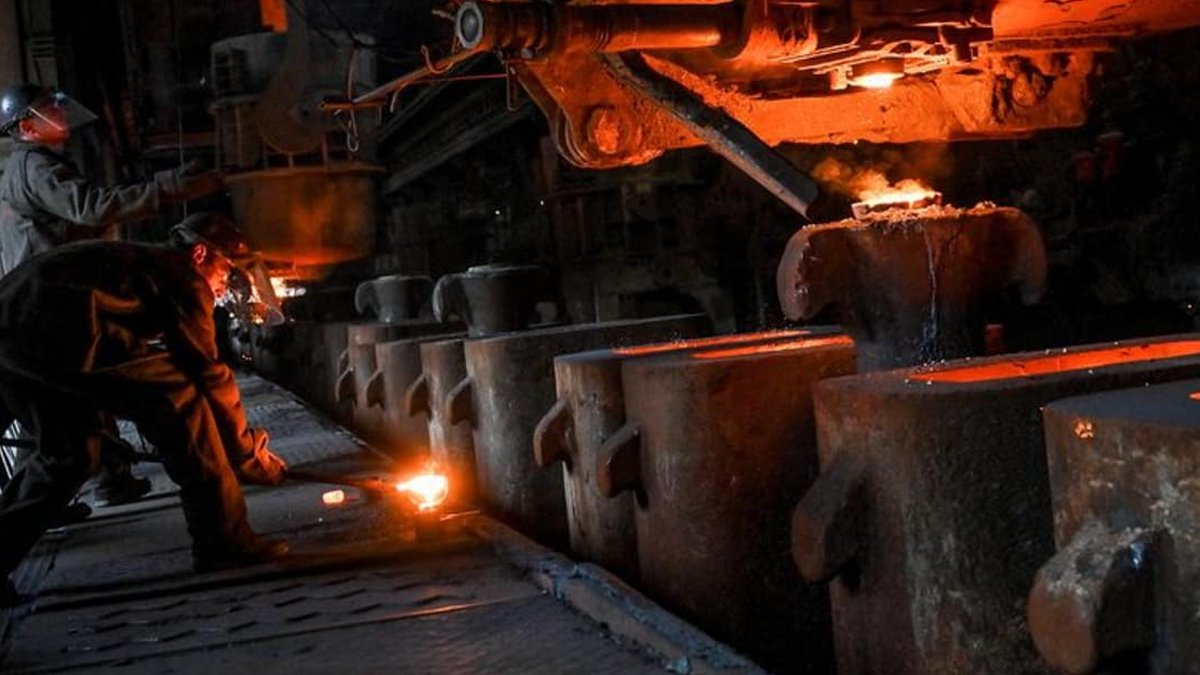
Inside Zaporizhstal, a hulking crane loads smoldering, multi-ton slabs of steel onto a conveyor where they are pounded into thin, nearly kilometre-long sheets and rolled into coils. The plant’s infrastructure reflects the industry’s struggle to survive during wartime.
The EU remains the main buyer, taking over half of all steel exports. As Russian strikes continue and trade barriers grow, the sector’s survival depends on adaptation or finding new markets.


