


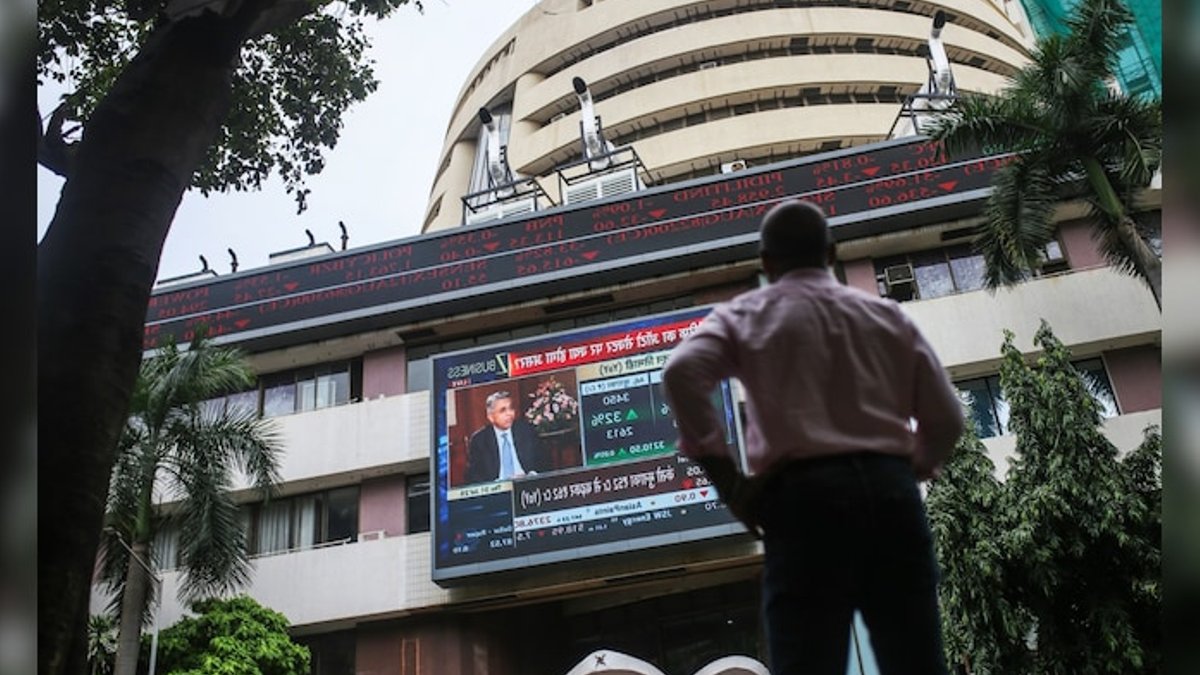
The BSE Sensex fell 2,092 points over five straight trading sessions, its sharpest weekly drop in months. The decline reflected a broader pullback in investor confidence as multiple domestic and international factors converged. The Nifty 50 followed the downward trajectory, ending at 23,767—its lowest finish since June 12. The magnitude of the drop, particularly in the final session of the week, suggested that selling pressure had intensified as profit-booking and risk aversion took hold among market participants.
What’s dragging the market down
Crude oil prices have climbed above $100 a barrel as tensions in the Middle East escalate, raising concerns over inflation, India’s import bill and corporate profitability. Higher oil prices remain a key risk for an economy that imports the bulk of its crude requirements.
Earnings reports from major lenders also disappointed last week, with several high-profile banks reporting numbers that fell short of market expectations. The mixed results from heavyweight companies left investors cautious, as banking, IT, and consumer stocks exhibited uneven performance. More June-quarter results are due this week, and analysts say management commentary will dictate sector movements. Any signs of weakening demand or margin compression could further dampen sentiment, while optimistic outlooks may help stabilize specific stocks.
Global uncertainty hasn’t helped, with cross-border capital flows and macroeconomic signals adding to the market’s volatility. Foreign institutional investors (FIIs) have pulled money from Indian equities in recent sessions. The rupee’s movement against the dollar has also become a focal point, as a weaker currency can inflate the cost of imports and exacerbate inflationary pressures. Signals from central banks—including the U.S. Federal Reserve, Bank of Japan, and Bank of England—will likely add to the market’s nervousness. The Fed’s policy stance, in particular, has a significant bearing on global liquidity conditions, and any hawkish tilt could prompt further outflows from emerging markets.
Key levels to watch
Market experts say the Nifty’s ability to hold above 23,600 is critical, as this level has emerged as a psychological and technical support zone. Rupak De, a senior technical analyst at LKP Securities, told ETMarkets that a drop below that level could trigger a steeper correction, as it may signal a breakdown in short-term momentum. On the upside, resistance is expected between 24,000 and 24,200—reclaiming those levels would be needed for any sustained recovery, as they represent a cluster of previous highs and moving averages that have acted as barriers in recent weeks.
Related: Wangchuk Rejects Deal with Centre Fears Ladakh Crackdown
Nagaraj Shetti, a senior technical research analyst at HDFC Securities, noted Friday’s late rebound from intraday lows suggested some buying interest near support. The recovery, though modest, indicated that certain market participants were willing to step in at lower levels. Still, he called the short-term trend weak, citing the lack of follow-through in the rebound and the absence of strong volume support. Despite the near-term caution, Shetti maintained that the broader outlook remains positive, arguing that the medium- to long-term structure of the market has not been fundamentally damaged.
Stock-specific trading may dominate this week as investors react to earnings and global cues, with individual companies’ performance likely to overshadow broader index movements. With volatility high, analysts expect sharp swings but no clear direction until key support or resistance levels are breached. The absence of a decisive trend could lead to heightened intraday fluctuations, as traders attempt to capitalize on short-term price movements while hedging against downside risks.
If the Nifty fails to hold 23,600, the next major support is seen around 23,200, a level that corresponds to the index’s 200-day moving average and a previous consolidation zone. A breach of this level could open the door for a deeper correction, potentially testing lower levels, depending on external triggers. However, even if the index stabilizes around current levels, the path back to recent highs won’t be smooth. Oil prices, earnings trajectories, and global central bank moves will likely keep traders on edge, making it hard to predict whether the market will rebound or extend its losses.
For now, the focus stays on defense, with investors likely to gravitate toward sectors that have historically demonstrated resilience during downturns. Until then, caution is expected to remain the dominant theme in the market.


